How to Clean a Resin Sink Properly: Expert Solutions for Common Staining Problems

Resin sinks have become a popular choice in modern kitchens, combining aesthetic appeal with practical durability. Whether you've opted for a pristine white composite sink or a contemporary black granite finish, these surfaces can withstand daily wear while maintaining their elegant appearance. However, even the most robust materials require proper care to prevent unsightly staining, yellowing, and limescale accumulation. Understanding the right cleaning methods and maintenance routines ensures your resin sink remains a standout feature in your kitchen for years to come.

Daily maintenance and routine cleaning methods

Essential washing techniques for everyday use

The foundation of a spotless resin sink lies in consistent daily care that prevents minor issues from becoming major cleaning challenges. After each use, rinsing the surface with warm water removes immediate debris and prevents food particles from adhering to the composite material. A simple solution of washing up liquid and water, applied with a soft cloth or non-abrasive sponge, effectively removes grease and everyday residue without compromising the integrity of the quartz sink or granite sink surface. This gentle approach protects against scratches whilst maintaining the natural sheen of the material.

For those who own a white resin sink, incorporating this routine once a week helps combat the gradual yellowing that can occur over time. The key is to avoid harsh tools such as steel wool or the abrasive side of sponges, which can create microscopic scratches that harbour dirt and bacteria. Instead, soft tools and neutral pH cleaners provide thorough cleaning without causing abrasive damage. A nylon brush can be particularly useful for reaching difficult corners without scratching the surface, ensuring comprehensive coverage during your regular cleaning sessions.

Preventing grime and debris accumulation around taps

The areas surrounding taps and drains tend to accumulate grime more rapidly than other parts of your composite sink, requiring focused attention during routine maintenance. Water droplets, soap residue, and food particles naturally gravitate towards these zones, creating stubborn deposits if left unattended. By wiping down these high-risk areas immediately after each use, you prevent the formation of hardened deposits that demand more aggressive cleaning methods later. This proactive approach not only maintains hygiene but also preserves the visual appeal of your sink's finish.

For persistent grime that develops despite regular wiping, a paste made from bicarbonate of soda and water offers an effective yet gentle solution. Applying this mixture to affected areas and allowing it to sit for several minutes before scrubbing with a soft sponge dissolves accumulated residue without damaging the resin surface. This method proves particularly valuable for white resin sink owners who notice discolouration forming around fixtures. Completing the process with a thorough rinse ensures no cleaning agents remain to dull the surface, whilst drying with a clean cloth prevents water spotting and maintains that showroom sparkle.

Effective Solutions for Limescale and Hard Water Deposits

Using white vinegar to dissolve mineral build-up

Limescale presents a persistent challenge for households in hard water areas, where mineral residues gradually accumulate on resin surfaces despite regular cleaning. White vinegar emerges as an exceptional ally in combating these stubborn deposits, offering a natural and effective alternative to harsh chemical cleaners. The acetic acid in vinegar works to dissolve calcium and magnesium deposits without compromising the composite material, making it ideal for quartz sink and granite sink varieties alike. Creating a solution of equal parts white vinegar and water provides the optimal concentration for tackling mineral build-up whilst remaining safe for daily use.

For particularly stubborn limescale accumulation, soaking a cloth in undiluted white vinegar and laying it directly over the affected area for approximately thirty minutes allows the acid to penetrate and break down the deposits. This method proves especially effective around taps where water evaporation concentrates mineral content. Following the soaking period, gentle scrubbing with a soft sponge or nylon brush removes the loosened deposits, revealing the clean surface beneath. Rinsing thoroughly with warm water eliminates any vinegar residue and prevents potential dulling of the finish. Some homeowners also find that anti-tartar toothpaste offers supplementary protection against limescale formation when applied periodically to vulnerable areas.

Protecting your resin surface from water spotting

Water spots represent another common frustration for composite sink owners, particularly those with darker finishes where mineral residues appear as unsightly white marks. These spots form when water droplets evaporate, leaving behind concentrated mineral deposits that dull the surface over time. Prevention proves far more effective than treatment in this case, making post-use drying a crucial component of maintenance routines. Simply wiping the sink dry with a clean, soft cloth after each significant use prevents water from evaporating naturally and depositing minerals, maintaining the pristine appearance of your quartz sink or granite sink.

For those seeking additional shine restoration, window cleaner applied sparingly and buffed with a microfibre cloth can enhance the lustre of resin surfaces after thorough cleaning and drying. This technique works particularly well on darker composite sinks where water spotting tends to be more visible. Additionally, some experts recommend applying a thin layer of cooking oil to the surface occasionally, which creates a protective barrier that repels water and prevents mineral adhesion. This protective conditioning approach, combined with regular cleaning using neutral pH cleaners, ensures your sink maintains its original brilliance whilst resisting the dulling effects of hard water exposure. Monthly deep cleaning sessions incorporating these protective measures significantly extend the life and appearance of your composite sink.

Removing Stubborn Stains and Black Marks from Resin Surfaces

Bicarbonate of Soda Paste Treatment for Persistent Stains

When routine cleaning methods prove insufficient against persistent organic stains or discolouration, bicarbonate of soda offers a more intensive yet safe solution for stain removal on resin surfaces. This versatile compound works particularly well on white resin sink materials where yellowing has begun to develop despite regular maintenance. Creating a thick paste by combining four to five tablespoons of sodium percarbonate with hot water and a splash of white vinegar produces a powerful cleaning agent that tackles even the most stubborn discolouration. Applying this paste generously across affected areas and allowing it to sit for twenty minutes enables the active ingredients to penetrate and lift embedded stains from within the composite material.

The alkaline nature of bicarbonate of soda makes it exceptionally effective against acidic stains whilst remaining gentle enough to avoid damaging the resin surface. After the soaking period, gentle scrubbing with a soft sponge or nylon brush removes the paste along with the lifted stains, revealing the refreshed surface beneath. For particularly stubborn marks that resist this initial treatment, clay stone combined with a nylon brush attachment on a drill can provide additional mechanical action without causing abrasive damage. This method should be employed cautiously, using light pressure and frequent rinsing to monitor progress and prevent over-scrubbing. Following treatment, rinsing thoroughly with clean water and drying with a soft cloth completes the restoration process.

Tackling metal scuff marks with gentle cream cleaners

Metal residues and scuff marks present a distinct challenge for composite sink owners, particularly in busy kitchens where pots, pans, and utensils frequently contact the surface. These marks appear as dark streaks or spots, often mistaken for permanent damage when they are actually superficial metal deposits that can be removed with appropriate cleaning methods. Gentle cream cleaners designed specifically for composite materials offer the ideal solution, providing sufficient abrasive action to lift metal residues without scratching the underlying resin. Applying a small amount of cream cleaner to the affected area and rubbing gently in circular motions with a soft cloth gradually removes the marking whilst polishing the surrounding surface.

For composite sinks featuring darker finishes where metal marks are less visible but still present, regular inspection and prompt treatment prevent accumulation that could eventually dull the surface. It bears emphasising that certain cleaning agents must be strictly avoided to prevent irreversible damage to resin materials. Bleach avoidance is crucial, as this harsh chemical can discolour and weaken composite structures, particularly affecting white resin sink finishes. Similarly, boiling water avoidance protects against thermal shock that may cause cracking or warping in certain resin formulations. Steel wool avoidance remains equally important, as these abrasive pads create countless microscopic scratches that trap dirt and bacteria whilst compromising the smooth, non-porous surface that makes resin sinks desirable. By adhering to soft tools and appropriate cleaning agents, you ensure your composite sink maintains its original beauty whilst resisting the various staining challenges that arise from everyday kitchen use. Regular application of these stain removal techniques, combined with consistent daily maintenance, keeps your resin sink looking as impressive as the day it was installed.

Discover elegant french interior design inspiration ideas for your home

French interior design has long captivated homeowners and decorators with its timeless elegance and effortless sophistication. The allure of a beautifully appointed Parisian apartment or a charming cottage in Provence is undeniable, and bringing these elements into your own home can transform your living spaces into havens of style and comfort. Whether you are drawn to the ornate details of classic French decor or the relaxed charm of shabby chic, there are countless ways to infuse your interiors with the grace and refinement that define French aesthetics.

Essential elements of french interior design

Understanding the foundational components of French interior design is crucial for anyone looking to recreate this beloved style. At its heart, French decor is about balancing elegance with comfort, creating spaces that feel both luxurious and lived-in. This approach emphasises quality over quantity, favouring a few carefully chosen pieces that make a statement rather than cluttering a room with unnecessary items. The emphasis on natural materials, antique finds, and handcrafted details ensures that each space feels unique and personal. When you explore french interior design inspiration ideas, you will notice that the hallmark of this style is its ability to combine grandeur with warmth, making any home feel inviting yet sophisticated.

Classic french colour palettes and textures

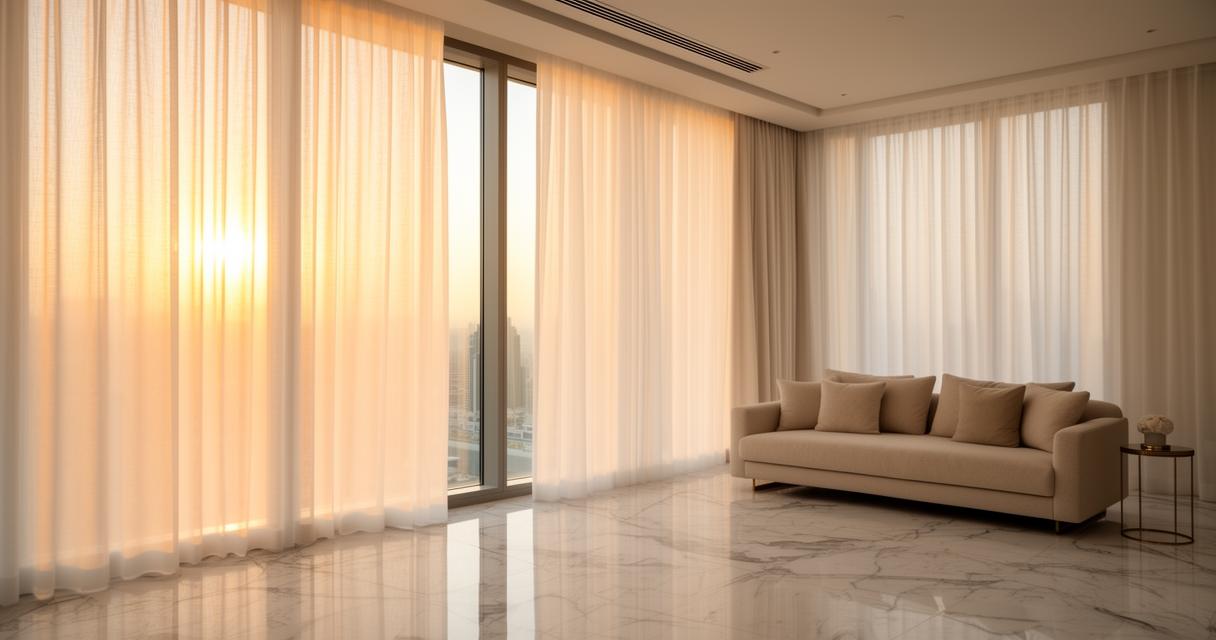
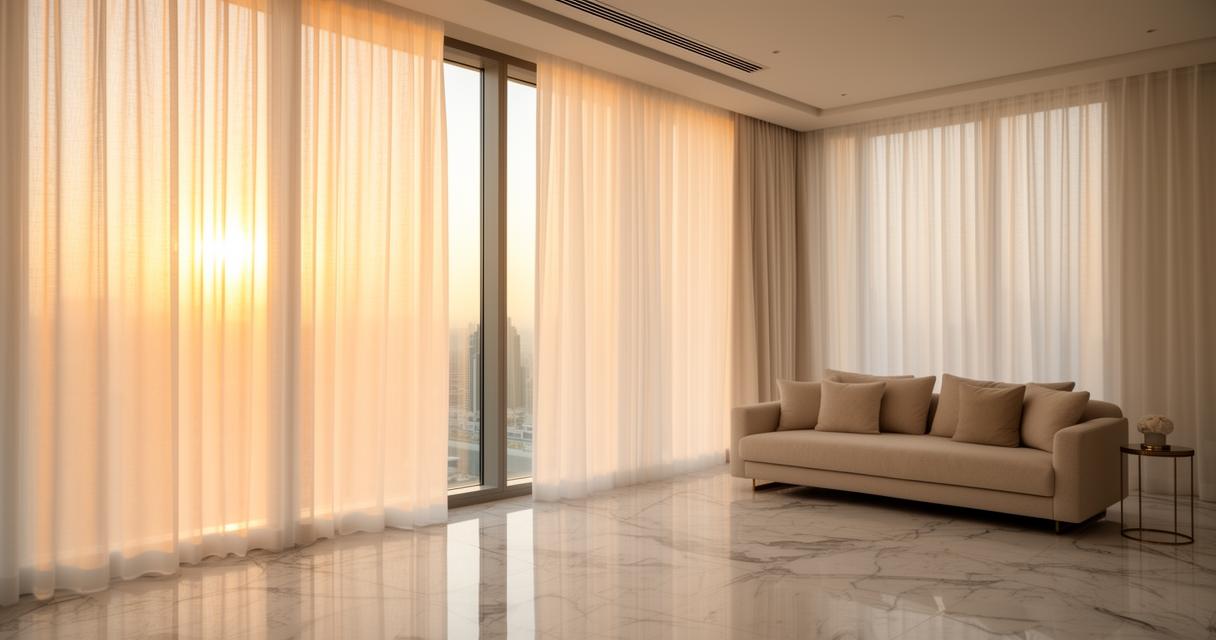
One of the most recognisable aspects of French interior design is its signature colour palette. Soft, muted tones dominate, with shades of cream, ivory, pale grey, and gentle pastels creating a serene backdrop that allows architectural details and furnishings to shine. These colours evoke a sense of calm and elegance, making rooms feel airy and spacious. The French are masters at layering textures to add depth and interest without overwhelming the senses. Linen, silk, velvet, and aged wood all play important roles, contributing to a tactile richness that invites you to touch and explore. The use of painted furniture, often distressed or whitewashed, brings a touch of rustic charm while maintaining an air of refinement. This technique, popular in shabby chic styles, softens the overall look and adds character to spaces that might otherwise feel too polished. Textiles are equally important, with flowing curtains, plush cushions, and elegant throws adding warmth and comfort. The interplay between light and fabric is carefully considered, with natural light filtering through sheer drapes to create a luminous, inviting atmosphere.

Authentic french furniture and decorative pieces

Furniture selection is where French interior design truly comes to life. Pieces are often curated with an eye for history and craftsmanship, favouring antiques or reproductions that capture the essence of bygone eras. Carved wood details, cabriole legs, and graceful curves are common features that add a sense of movement and artistry to a room. Dining furniture, for instance, is not merely functional but serves as a centrepiece that brings family and friends together in style. The French approach to decorating involves mixing old and new, high and low, to create a collected look that feels both sophisticated and approachable. Shutters, a quintessential element of French architecture, can be incorporated into interior design to add authenticity and charm. Whether used on windows or as decorative accents, they bring a touch of the Parisian streetscape into your home. Mirror frames, especially those with ornate gilt or distressed finishes, are another staple, reflecting light and creating the illusion of more space while adding a decorative flourish. DIY artworks and handcrafted pieces also find a natural home in French interiors, where personal touches are celebrated and individuality is prized. These elements, sourced from markets, antique shops, or even created at home, ensure that no two spaces are exactly alike.

Transforming your home with french-inspired styling

Once you understand the core principles of French interior design, the next step is to apply them to your own living spaces. This process is as much about adopting a mindset as it is about selecting specific items. French style is not about following rigid rules but rather about embracing a sense of beauty, balance, and history. It encourages you to look beyond trends and invest in pieces that will stand the test of time, both in terms of quality and aesthetic appeal. The transformation can begin in any room, with small changes making a significant impact. Whether you are redecorating a single space or undertaking a full home renovation, the key is to remain true to the principles of elegance, simplicity, and comfort that define this enduring style.

Creating a parisian living space

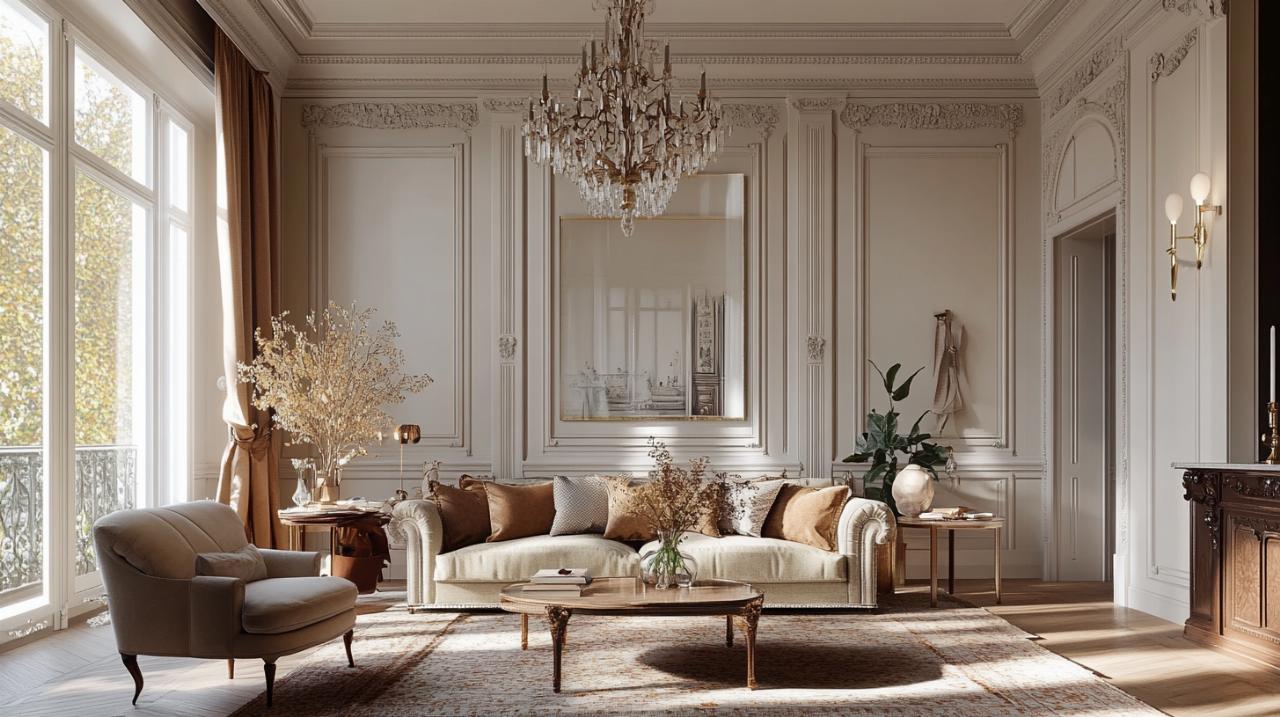
The living room is often the heart of a home, and creating a Parisian-inspired space here can set the tone for the rest of your interior. Start by focusing on a neutral colour scheme that allows your furniture and accessories to take centre stage. A classic sofa in a soft linen or velvet, paired with a vintage coffee table and an elegant area rug, forms the foundation of the room. Layering is essential, so consider adding throws and cushions in complementary tones to introduce texture and warmth. Lighting plays a crucial role in achieving the right ambience, with chandeliers, wall sconces, and table lamps providing both illumination and decorative interest. Opt for fixtures with a touch of glamour, such as crystal details or antique brass finishes, to enhance the Parisian vibe. Artwork and mirrors should be carefully selected and arranged to create visual interest on the walls. Large, ornate mirror frames not only add a decorative element but also help to bounce light around the room, making it feel more spacious and inviting. Fresh flowers in elegant vases, books displayed on coffee tables, and decorative candles contribute to an atmosphere that is both refined and welcoming. The goal is to create a space that feels curated over time, with each piece telling a story and contributing to the overall sense of elegance.

French design tips for different rooms

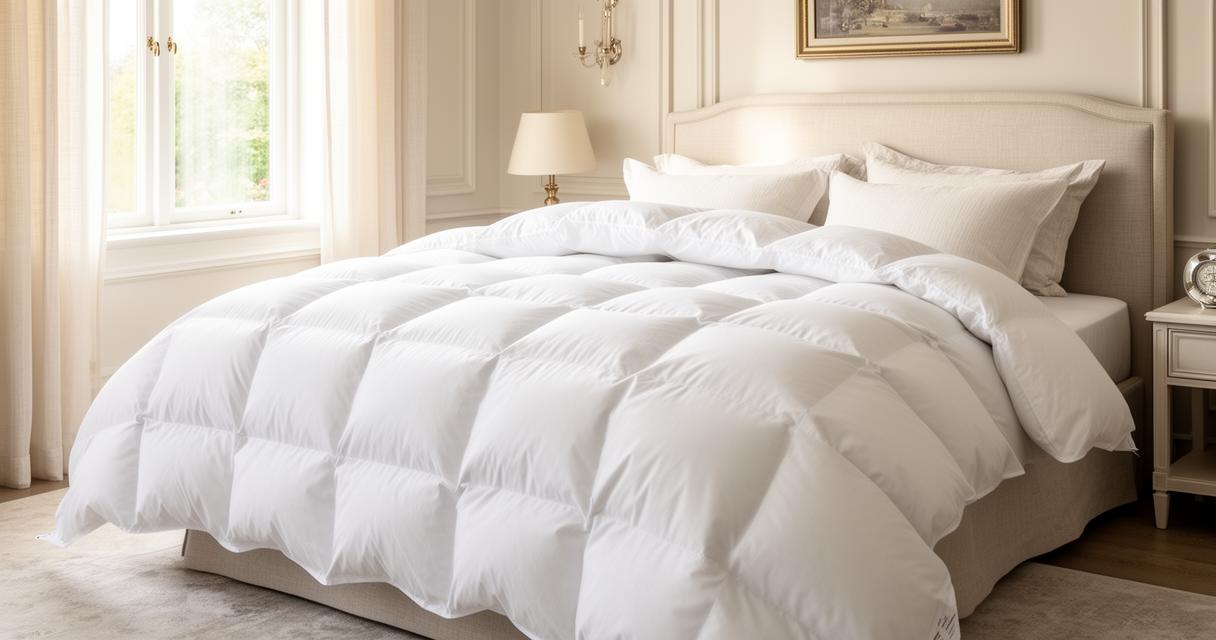
Every room in your home offers an opportunity to incorporate French design principles, each with its own unique considerations. In the bedroom, the focus should be on creating a restful retreat that exudes tranquillity and romance. A bed with a carved wooden headboard or an upholstered frame in a luxurious fabric sets the stage, while crisp white linens and soft throws add layers of comfort. Bedside tables with elegant lamps and perhaps a vintage vanity mirror complete the look, ensuring the space feels both functional and beautiful. The kitchen, often a central gathering place, can benefit from French-inspired elements such as open shelving displaying ceramics and glassware, a farmhouse sink, and traditional cabinetry painted in soft hues. Incorporating natural materials like stone worktops and wooden chopping boards adds authenticity and warmth. In the bathroom, consider freestanding bathtubs, vintage-style fixtures, and elegant tiles to create a spa-like atmosphere that feels indulgent yet timeless. For those looking to separate spaces such as the kitchen from the lounge, French design offers elegant solutions that maintain flow while defining areas. Decorative screens, open shelving units, or even a stylish bar cart can serve as subtle dividers that enhance rather than interrupt the overall design. Window treatments also deserve attention, with options like roller blinds in soft pinks or traditional curtain rails in esquina arrangements adding both function and flair. Insulation and practical concerns, such as addressing damp walls or selecting insulating plasterboard, can be handled in ways that do not compromise on style, ensuring your home is as comfortable as it is beautiful. Finally, do not overlook smaller details like decorative candles from brands known for their quality, or DIY projects that allow you to personalise your space. These finishing touches bring personality and warmth, making your home truly your own while staying true to the elegant spirit of French interior design.

Arabic Calligraphy Board: Which Is the Best? | Reviews 2025 – Comparing Traditional and Modern Boards for Optimal Painting Results

The world of Arabic calligraphy has witnessed a remarkable surge in recent years, with enthusiasts and artists alike seeking the perfect medium to express this timeless art form. As 2025 unfolds, the market presents an impressive array of calligraphy boards, each designed to cater to different skill levels, artistic preferences, and aesthetic goals. Whether you are drawn to the heritage of hand-crafted surfaces or the convenience of contemporary innovations, understanding the distinctions between traditional and modern boards is essential for achieving optimal painting results. The growing interest in Islamic paintings and wall art reflects a broader appreciation for spiritual expression through visual artistry, making the choice of board a crucial step in your creative journey.

Traditional arabic calligraphy boards: heritage meets craftsmanship

Authentic Materials and Classic Textures for Time-Honoured Techniques

Traditional Arabic calligraphy boards have long been cherished for their ability to connect artists with centuries-old practices. These surfaces are typically crafted from materials such as wood, high-quality canvas, and specially prepared paper, each offering unique textures that influence the flow and character of ink. Wood boards, often meticulously sanded and treated, provide a firm and stable base that allows for precise strokes, making them ideal for mastering classical calligraphy styles. The natural grain of wood can add a subtle, organic quality to finished pieces, enhancing the visual depth and authenticity of the artwork. Canvas boards, on the other hand, offer a slightly yielding surface that absorbs ink differently, creating a soft, tactile finish that many traditional artists favour for its richness and warmth. Prepared paper boards, often made from cotton or rag paper, are prized for their ability to hold intricate details and delicate lines, essential for reproducing the flowing elegance of classical script revival. These materials are not merely functional; they embody the heritage and craftsmanship that define traditional Islamic art, where symmetry and rich colours are paramount.

Evaluating Wood, Canvas, and Paper Options for Traditional Calligraphy Practice

When selecting a traditional board, it is important to consider how each material interacts with your chosen inks and brushes. Wooden boards are durable and can withstand repeated use, making them a practical choice for workshops and courses where students practice extensively. Their solid surface ensures that every stroke is deliberate, encouraging precision and control. Canvas boards, while less rigid, offer versatility and are particularly well-suited for larger compositions or pieces intended for display as home decor. The slight give of canvas can create a dynamic interplay between the artist and the medium, resulting in artworks with a distinctive character. Paper boards, though more delicate, are indispensable for those seeking to replicate the finesse of historical manuscripts and Quranic verses. The choice of traditional board ultimately depends on your artistic goals and the specific calligraphy styles you wish to explore. For those attending courses in Paris or similar cultural hubs, experimenting with different traditional materials can deepen your understanding of how heritage techniques influence modern practice. Traditional boards also complement environments where spiritual meaning and aesthetic refinement are valued, making them a popular choice for hotels and interiors that celebrate Islamic calligraphy.

Modern calligraphy boards: innovation and contemporary design

Digital Surfaces and Reusable Boards for Today's Artists

The advent of modern technology has revolutionised the way artists approach Arabic calligraphy, introducing boards that combine innovation with practicality. Digital surfaces, such as graphic tablets and electronic drawing boards, allow artists to experiment with geometric designs and minimalist Islamic art without the need for physical ink or paper. These tools offer unparalleled flexibility, enabling users to adjust stroke weight, colour, and composition with ease, making them ideal for contemporary Islamic art that emphasises simplicity and modern calligraphy. Reusable boards, often constructed from laminated or coated materials, provide an eco-friendly alternative to traditional surfaces. Artists can practise repeatedly, wiping away their work and starting afresh without wasting resources. This approach is particularly appealing to those enrolled in workshops or courses where continuous practice is essential for skill development. The versatility of modern boards extends beyond the studio; they are portable and lightweight, making them convenient for artists who travel or wish to create in diverse settings. The integration of neutral palettes and contemporary design principles into these boards reflects broader trends in the UK market, where minimalist Islamic art has gained significant traction.

Comparing Size, Colour Variations, and Portability in Modern Boards

Modern calligraphy boards are available in a wide range of sizes, from compact portable models suitable for on-the-go practice to larger formats designed for ambitious projects and detailed artworks. Smaller boards are perfect for quick sketches and initial drafts, while expansive surfaces accommodate intricate patterns and multi-panel compositions that can serve as striking home decor or canvas prints. Colour variations also play a significant role in the appeal of modern boards. Many feature neutral or customisable backgrounds that enhance the visibility of black or coloured inks, ensuring that every detail of your calligraphy stands out. Some boards even offer adjustable backlighting or contrast settings, which are particularly beneficial when working in different lighting conditions or when creating pieces for specific environments such as hotels or interior spaces. Portability is another key advantage of modern boards, as they are designed with the needs of contemporary artists in mind. Lightweight materials and compact designs make it easy to transport your board to workshops, courses, or outdoor settings, allowing you to practise and create wherever inspiration strikes. The combination of size flexibility, colour options, and portability makes modern boards an attractive choice for artists seeking to blend traditional techniques with contemporary innovation.

Selecting the Ideal Board: Practical Considerations and Where to Purchase

Workshops, Courses in Paris, and Expert Recommendations for Your Choice

Choosing the right calligraphy board involves more than simply picking a surface; it requires thoughtful consideration of your skill level, artistic objectives, and the environments in which you plan to work. Participating in workshops and courses can provide invaluable insights, as instructors often recommend specific boards based on the techniques being taught. Courses in Paris, renowned for their emphasis on both traditional and modern Islamic art, frequently incorporate hands-on sessions where students can experiment with different materials and surfaces. These immersive experiences allow you to assess how various boards respond to different calligraphy styles, from classical script revival to contemporary geometric designs. Expert recommendations typically highlight the importance of matching your board to your intended use. For instance, if you are creating artworks for display during Ramadan or Eid, a board that supports detailed canvas prints or rich, vibrant colours may be most appropriate. Conversely, if your focus is on daily practice and skill refinement, a reusable modern board might offer the best value and convenience. Consulting with experienced calligraphers and instructors can help you navigate the diverse options available and select a board that aligns with your creative vision and practical needs.

Finding Quality Boards on Amazon and Matching Artworks to Hotels and Interiors

The convenience of online shopping has made it easier than ever to source high-quality calligraphy boards, with platforms like Amazon offering a broad selection of both traditional and modern options. When browsing, it is helpful to consider customer reviews and ratings, as these can provide insights into the performance and durability of different boards. Many sellers on Amazon also offer bundles that include boards alongside complementary materials such as inks, brushes, and instructional guides, which can be particularly useful for beginners or those looking to expand their practice. In addition to Amazon, suppliers such as Alibaba cater to businesses and artists seeking bulk orders or specialised materials, including luxury modern Islamic wall art and hand-painted calligraphy canvases. These platforms often feature competitive pricing and a wide variety of materials, from canvas and metal to wood and porcelain, allowing you to find boards that suit both your artistic preferences and budget. Once you have selected your board and created your artwork, consider how it will complement different environments. Artworks featuring Quranic verses, minimalist Islamic art, or intricate geometric designs are increasingly popular in hotels and interior settings, where they add a touch of spiritual meaning and aesthetic elegance. Thoughtful placement and matching your palette to existing decor can enhance the impact of your calligraphy, transforming a simple piece into a focal point that resonates with viewers. The versatility of modern Islamic art, with its emphasis on simplicity and neutral palettes, makes it particularly well-suited to contemporary interiors, while traditional pieces with their rich colours and symmetry bring a sense of heritage and refinement to any space.

Unveiling inspiring decor ideas for enhancing your living space

Creating a living space that truly reflects your personality whilst remaining inviting and functional can seem like quite the undertaking, yet with thoughtful choices and a dash of creativity, any room can be elevated into something special. Whether you're contemplating a complete overhaul or simply seeking a fresh perspective on your existing setup, exploring various approaches to interior decoration opens up a world of possibilities. The art of enhancing your home lies in understanding how colours, textures, furniture, and personal items work together to craft an environment that not only looks stunning but also feels like a genuine sanctuary.

Transformative colour schemes and textile choices

The foundation of any successful interior transformation often begins with the palette you choose to adorn your walls and surfaces. When considering decor ideas that can genuinely invigorate your living room, the impact of colour cannot be overstated. From strong, confident tones that make a bold statement to grounding greens that bring a sense of calm, the spectrum of possibilities is vast. Inky blues offer a sophisticated depth, whilst softer shades can create an airy, tranquil atmosphere. The website offers extensive resources for exploring paint and wallpaper options, categorised by colour and collection, making it easier to visualise how different hues might harmonise with your existing furnishings. Ordering samples, colour cards, and wallpaper swatches allows you to test these choices in your own space before committing, ensuring the final selection complements the natural light streaming through your windows and the overall mood you wish to cultivate.

Embracing Bold Hues and Patterns in Your Lounge

Stepping beyond neutral safety zones can breathe new life into a room that has grown stale or predictable. Incorporating a feature wall, whether through a striking paint colour or an eye-catching wallpaper design, immediately draws the eye and establishes a focal point. For those with sloped or pitched ceilings, wallpaper can be particularly effective in adding character to otherwise overlooked surfaces. The interplay between bold colours and shapes introduces a dynamic energy, whilst the use of curves in furniture or decorative elements softens the overall aesthetic. If you're hesitant about committing to a permanent change, especially in a rental property, paint remains one of the most versatile and renter-friendly decorating tools. A carefully chosen shade can unify disparate elements in a room or create contrast that highlights architectural features. Additionally, the offer to book a colour consultancy provides expert guidance tailored to your specific space, ensuring that your choices are both aesthetically pleasing and practically sound.

Layering Fabrics for Depth and Warmth

Textiles play an equally vital role in creating a space that feels inviting and comfortable. A colourful rug anchors a seating area and introduces warmth underfoot, whilst also serving as an opportunity to introduce pattern and texture. Choosing a comfy sofa that suits both your lifestyle and the scale of your room is fundamental, and opting for the largest piece that can comfortably fit ensures ample seating without overwhelming the space. Layering fabrics through cushions, throws, and curtains adds depth and visual interest, allowing you to experiment with different materials and weaves. Hanging curtains higher, typically four to six inches above the window frame, creates the illusion of taller ceilings and allows more natural light to flood the room. Natural light is a critical consideration, with a significant majority of people regarding it as paramount when evaluating a home. Controlling this light effectively through window treatments such as made-to-measure blinds or shutters offers flexibility, enabling you to adjust the ambiance throughout the day whilst maintaining privacy and energy efficiency. The company provides a range of options, from Venetian and honeycomb blinds to plantation shutters suited to bay windows, bi-fold doors, and even uniquely shaped openings, all backed by a ten-year warranty and free surveys to ensure a perfect fit.

Curating statement pieces and personal touches

Beyond the foundational elements of colour and fabric, the objects you choose to display and the furniture you select define the character of your living space. The art of curation involves balancing aesthetic appeal with functionality, ensuring that every piece serves a purpose, whether practical or emotional. Mixing traditional and contemporary styles can create a layered, eclectic look that feels both timeless and current, whilst incorporating vintage or second-hand finds adds individuality and often represents excellent value. A well-chosen coffee table becomes more than just a surface for cups and magazines; it can serve as a centrepiece that anchors the room and invites conversation. Similarly, thoughtful storage solutions and shelving not only keep clutter at bay but also provide opportunities to display cherished objects, books, and decorative items in a way that tells your personal story.

Selecting focal point furniture and artwork

Identifying and emphasising a focal point within your living room guides the arrangement of furniture and the flow of the space. For many, the fireplace naturally assumes this role, offering a visual anchor that can be styled with candles, artwork, or seasonal decorations. If your room lacks a traditional focal point, consider creating one through a striking piece of furniture, a large mirror, or a gallery wall of art. Hanging art at the appropriate height and in a thoughtful arrangement adds personality and colour, transforming blank walls into dynamic displays. Mirrors, in particular, are a clever tool for creating the illusion of more space and reflecting light, making smaller rooms feel more open and airy. For those working from home, integrating a dedicated home working station into the living area requires careful planning to maintain the room's relaxed atmosphere whilst providing functionality. This might involve selecting a desk that doubles as a console table or using clever storage to keep work materials out of sight when not needed.

Incorporating cherished objects and greenery

The final layer of personalisation comes from the objects and living elements you introduce into your space. Plants are particularly powerful in this regard, as research suggests they can ease anxiety and encourage happiness, bringing a touch of nature indoors that softens hard edges and improves air quality. Large, statement plants make an immediate impact, whilst smaller varieties can be grouped on shelves or window seats to add life and colour. Similarly, incorporating items with sentimental value, whether family heirlooms, travel souvenirs, or handmade pieces, ensures your living room feels uniquely yours. Adopting floral decor, whether through fresh blooms, botanical prints, or fabric patterns, introduces a romantic and seasonal element that can be easily refreshed. Even unconventional choices, such as decorating with vinyl records or framing scarves as art, add unexpected interest and spark conversation. Picture shelves offer a flexible alternative to traditional hanging, allowing you to layer frames and objects in awkward corners or above furniture. For those drawn to minimalist aesthetics, the challenge lies in selecting only the most meaningful items and ensuring each has space to breathe, whilst those who prefer a maximalist approach can revel in layering textures, colours, and collections. Ultimately, the most inspiring living spaces are those that reflect the lives and passions of their inhabitants, blending practical considerations with creative expression to craft a home that is both beautiful and deeply personal.

Brick Veneer: Advantages and Disadvantages for Your Interior Design Projects and Property Value in the UK

When considering ways to enhance the character and visual appeal of your property, brick veneer emerges as a compelling option that marries traditional charm with modern practicality. This technique has gained considerable traction among homeowners and interior designers across the United Kingdom, offering a cost-effective alternative to full brick construction while delivering a timeless aesthetic. Whether you're planning a complete renovation or simply seeking to add a distinctive accent wall in your living room or kitchen, understanding the nuances of brick veneer can help you make informed decisions that elevate both the style and functionality of your space.

Understanding Brick Veneer: What It Is and Why It Matters for Modern Homes

The Basics of Brick Veneer Construction and Materials

At its core, brick veneer refers to a thin layer of brick material, typically measuring between half an inch and one inch in thickness, applied to the exterior or interior surfaces of a building. Unlike traditional brickwork, which forms the structural backbone of a house, brick veneer serves primarily as a decorative cladding that provides the classic appearance of brick without requiring the same level of structural support. The materials used in its construction are fundamentally similar to those found in standard bricks, with options including clay-based bricks and concrete alternatives. This slim profile makes brick veneer significantly lighter than solid masonry, which in turn reduces the load on the underlying framework and simplifies the installation process.

The construction method for brick veneer involves affixing the thin brick layer to a wall frame, which is typically made of timber or steel. A weather barrier is installed between the frame and the veneer to protect against moisture intrusion, while an air gap is maintained to allow for ventilation. This gap plays a crucial role in preventing condensation and ensuring that any moisture that does penetrate the outer layer can escape, thereby safeguarding the integrity of the building's interior structure. The veneer is anchored to the frame using metal ties or clips, which hold the bricks securely in place without relying on them to bear any of the building's weight. This design flexibility allows for creative applications in various parts of the home, from dramatic accent walls in the living room to rustic fireplace cladding that serves as a focal point.

How brick veneer differs from traditional solid wall building methods

The distinction between brick veneer and traditional solid brick construction is both structural and practical. In a double brick or solid brick system, two layers of load-bearing bricks are erected with a cavity in between, creating a wall that directly supports the weight of the roof and upper floors. This method has been a staple of British and Australian construction for decades, valued for its robustness and longevity. However, it demands a substantial investment in materials and labour, as each brick must be carefully laid and mortared to ensure structural soundness. The resulting walls are thick, heavy, and require deep foundations to support the considerable weight.

By contrast, brick veneer relies on an internal frame, usually constructed from timber or steel, to bear the load of the building. The veneer itself is non-structural, meaning it contributes to the aesthetic and protective qualities of the house without shouldering any of its weight. This fundamental difference translates into several practical advantages. For one, the reduced material requirements make brick veneer a more affordable option, with costs often falling well below those associated with double brick construction. The lighter weight also simplifies the building process, allowing for quicker installation and less strain on the foundation. Additionally, the cavity between the veneer and the frame can be filled with insulation, enhancing the thermal performance of the property and contributing to improved energy efficiency. This makes brick veneer particularly appealing for modern homes where sustainability and cost-effectiveness are key priorities.

Key Advantages of Brick Veneer for Interior Design and Property Enhancement

Thermal and Acoustic Insulation Benefits for Your House

One of the standout advantages of brick veneer is its capacity to improve the thermal and acoustic insulation of your home. The air gap between the veneer and the wall frame acts as an additional barrier against heat transfer, helping to regulate indoor temperatures throughout the year. During the colder months, this cavity can be filled with insulating materials such as mineral wool or foam, which work in tandem with the air gap to keep warmth inside the house. Conversely, in warmer weather, the ventilation provided by the gap helps to dissipate excess heat, reducing the reliance on air conditioning and lowering energy bills. This dual functionality makes brick veneer an excellent choice for properties in regions with variable climates, where effective insulation is essential for maintaining comfort and reducing heating costs.

Beyond thermal performance, brick veneer also contributes to soundproofing, though it may not match the acoustic insulation provided by double brick walls. The mass of the brick layer, combined with the air gap and any additional insulation, helps to dampen external noise, creating a quieter indoor environment. This can be particularly beneficial in urban settings or homes located near busy roads, where unwanted sound can be a persistent issue. For homeowners looking to enhance the tranquillity of their living spaces, incorporating brick veneer into the design of key rooms such as bedrooms or home offices can make a noticeable difference. The combination of improved thermal and acoustic insulation not only enhances comfort but also adds tangible value to the property, making it more attractive to potential buyers.

Aesthetic Appeal and Style Versatility Across Living Rooms, Kitchens, and Bathrooms

The aesthetic versatility of brick veneer is another compelling reason for its popularity in interior design. Available in a wide range of styles, colours, and textures, brick veneer can be tailored to suit virtually any design vision, from rustic farmhouse charm to sleek industrial chic. Natural brick veneer, which is cut from genuine bricks, offers an authentic look with the characteristic variations in colour and texture that come from traditional firing processes. Manufactured veneer, on the other hand, is crafted from lighter materials and can be engineered to mimic specific styles or finishes, providing even greater design flexibility. This diversity allows homeowners to create bespoke accent walls in the living room, add warmth to a kitchen backsplash, or introduce a touch of timeless elegance to a bathroom without committing to the expense and complexity of full brick construction.

In the living room, a brick veneer feature wall can serve as a striking backdrop for a fireplace or entertainment centre, drawing the eye and adding depth to the space. The natural tones of the brick complement a variety of colour schemes, from muted neutrals to bold, vibrant hues, making it a versatile choice for both modern and traditional interiors. In the kitchen, brick veneer can be used to clad an island or to create a distinctive backsplash that brings texture and character to the heart of the home. The material's durability and resistance to staining mean that it requires minimal maintenance, allowing you to enjoy its aesthetic appeal without the constant upkeep associated with other finishes. Even in bathrooms, where moisture levels are higher, properly sealed brick veneer can add a unique, spa-like ambience, transforming an ordinary space into a stylish retreat. The fact that brick veneer does not require painting and can last for decades with proper care further enhances its appeal, offering long-term value and enduring style.

Potential disadvantages and considerations when installing brick veneer

Installation Challenges and Renovation Requirements for Wood-Framed Properties

Despite its many advantages, brick veneer is not without its challenges, particularly when it comes to installation. For those new to the technique, achieving a professional finish can prove tricky, as the process demands precision and an understanding of both structural and aesthetic considerations. Uneven brick placement, inconsistent mortar joints, and improper anchoring are common pitfalls that can undermine the visual appeal and structural integrity of the veneer. Ensuring that the bricks are securely fastened to the underlying frame requires careful attention to detail, as any weakness in the anchoring system can lead to sagging or even detachment over time. For wood-framed properties, which are common in many parts of the UK and Australia, additional precautions must be taken to protect the timber from moisture damage. If the weather barrier is not correctly installed, or if drainage is inadequate, water can seep into the cavity and cause rot or mould, compromising the structural integrity of the frame.

Renovations involving brick veneer can also present unique challenges, particularly if the existing wall structure needs to be modified to accommodate the veneer. Preparing the wall surface, ensuring adequate support, and integrating the veneer with existing architectural features all require careful planning and, often, the expertise of a qualified tradesperson. In older properties, where the original construction may not have been designed with veneer in mind, retrofitting can be both time-consuming and costly. Additionally, if the veneer is to be used in conjunction with insulation upgrades or other energy efficiency measures, coordinating these improvements with the installation of the brick layer requires a holistic approach to design and construction. Homeowners considering brick veneer for a renovation project should be prepared to invest in professional advice and skilled labour to ensure that the work is carried out to a high standard and that the finished result meets both aesthetic and performance expectations.

Heat Retention, Maintenance, and Long-Term Performance in Different Room Types

Another consideration when opting for brick veneer is its impact on heat retention and the ongoing maintenance required to preserve its appearance and functionality. While the air gap and insulation within the cavity can enhance thermal performance, the brick veneer itself can also absorb and retain heat, particularly in south-facing rooms or spaces with large windows. During the summer months, this heat retention can contribute to warmer indoor temperatures, potentially increasing the demand for cooling and raising energy costs. In bathrooms and kitchens, where humidity and temperature fluctuations are more pronounced, the behaviour of brick veneer must be carefully managed to prevent issues such as condensation or moisture build-up. Proper ventilation, including the installation of weep holes that allow trapped moisture to escape, is essential to maintaining the long-term performance of the veneer in these environments.

Maintenance, while generally minimal, is nonetheless an important aspect of owning a brick veneer property. The mortar joints that bind the individual bricks together require annual inspection and, where necessary, repointing to prevent deterioration. Over time, exposure to the elements can cause the mortar to crack or crumble, allowing water to penetrate the veneer and potentially damage the underlying structure. Cleaning the veneer involves using a mild detergent and a soft brush, taking care to avoid high-pressure washing, which can erode the mortar and damage the brick surface. Additionally, clearing the weep holes of any debris ensures that the drainage system functions correctly, preventing moisture from becoming trapped within the cavity. With diligent care and regular maintenance, high-quality brick veneer can last fifty years or more, delivering enduring value and aesthetic appeal. However, homeowners must be prepared to commit to this upkeep in order to safeguard their investment and ensure that the veneer continues to perform as intended across different room types, from the cosy warmth of a living room to the practical demands of a busy kitchen or bathroom.

Capture your memories instantly with connected photo frames

In an age where our phones hold thousands of photographs, the challenge is no longer capturing moments but rather ensuring they leave the confines of our devices and become part of our daily lives. Connected photo frames offer an elegant solution to this modern dilemma, transforming digital images into living displays that update themselves and bring warmth to any space. Whether you're looking to bridge the distance between generations or simply want to surround yourself with cherished moments, these smart displays are reshaping how we experience photography at home.

How digital photo frames revolutionise memory sharing

The fundamental appeal of digital photo frames lies in their ability to eliminate the traditional barrier between taking a photograph and displaying it on your wall. Gone are the days when precious moments languished in albums or remained trapped in cloud storage. These wireless connectivity devices transform any surface into a dynamic gallery that updates itself, bringing fresh content into your home without any physical effort. The technology behind these frames has evolved remarkably, with cloud storage capabilities allowing unlimited images to flow seamlessly from your phone to the display. What makes this particularly revolutionary is the immediacy of the experience; a grandchild's first steps captured in Tokyo can appear on a frame in London within moments, creating a sense of connection that transcends geographical boundaries.

You can share your memories in real time with an AgfaPhoto connected photo frame, which represents just one example of how manufacturers have refined this technology to serve modern families. The market now offers an impressive range of options, from the Aura Carver Smart HD Digital Photo Frame at one hundred and forty-nine pounds, which boasts unlimited cloud storage and exceptional image quality, to more budget-conscious choices like the Frameo wifi digital photo frame with thirty-two gigabytes of storage available for just forty-nine pounds. The diversity in pricing reflects the variety of features available, with premium models like the Vieunite Textura commanding five hundred and ninety-nine pounds for its twenty-seven-inch display and access to free digital art collections.

The benefits of wi-fi enabled photo displays

WiFi photo sharing capabilities have fundamentally changed the value proposition of these devices, transforming them from simple picture viewers into communication tools that strengthen family bonds. The beauty of wireless connectivity lies in its simplicity; once configured, these frames require no technical intervention from the recipient. Photos arrive automatically as family members share them through dedicated apps, which typically achieve impressive ratings such as four point nine on the App Store and four point seven on Google Play. This reliability matters enormously when the technology serves as a bridge between generations, ensuring that the experience remains delightful rather than frustrating.

The practical advantages extend beyond mere convenience. Smart displays with motion sensor technology can conserve energy by activating only when someone enters the room, whilst touchscreen functionality on models like the Skylight digital picture frame, priced at one hundred and forty pounds, allows recipients to interact with their images, adding personal touches or browsing through albums. Wall-mountable options provide flexibility in home design, allowing these memory portals to become architectural features rather than afterthoughts. Features such as weather display, calendar functionality, and sleep schedules transform these devices into multifunctional household tools that justify their presence even during moments when they're not actively displaying family memories.

Perfect for less tech-savvy family members

Perhaps the most compelling application of connected frames emerges when considering grandparents or other family members who may feel overwhelmed by rapidly evolving technology. The genius of these devices lies in their asymmetric complexity; whilst the senders enjoy the flexibility of sophisticated apps with albums, captions, and video clips support, recipients need only plug in the device and connect it to their WiFi network once. After that initial setup, the frame becomes a window through which family connection flows effortlessly, requiring no further technical knowledge or intervention.

This characteristic makes digital photo frames exceptional gift ideas for birthdays, weddings, and retirements, serving as thoughtful presents that continue giving long after the initial unwrapping. International delivery options covering countries from Australia to the United States ensure that families can send these devices to relatives regardless of location. The myFirst frame with its anti-reflection screen, available for one hundred and seventeen pounds, exemplifies how manufacturers consider the viewing experience of older users who might position frames near windows or in brightly lit spaces. Customer service teams typically respond to queries within forty-eight hours during weekdays via email, providing reassurance for purchasers concerned about supporting their less tech-confident recipients through any challenges.

Making the Most of Your Connected Frame

Maximising the potential of these devices requires understanding their full capabilities beyond simple photo display. The Dragon Touch calendar photo frame TM15, priced at one hundred and ninety-eight pounds, demonstrates this expanded functionality by incorporating organisational tools alongside memory sharing. Families can coordinate shopping lists, maintain shared calendars, and keep everyone informed of upcoming events whilst simultaneously enjoying a rotating display of cherished moments. This integration of practical and emotional functions helps justify the investment, particularly for models at higher price points.

Instant photo sharing from anywhere

The transformative power of remote sharing becomes most apparent during significant life events when immediacy matters. A new parent in Cardiff can share hospital photos with grandparents in Edinburgh within moments of birth, creating a sense of participation that would have been impossible in previous generations. Holiday adventures unfold in near real-time, allowing those at home to experience journeys vicariously through regularly updated images. This instant photo sharing capability has proven particularly valuable during periods when physical visits prove challenging, maintaining emotional connections across distances that might otherwise create feelings of isolation.

The technology supporting this immediacy has become remarkably robust, with free cloud storage offerings from various manufacturers eliminating concerns about storage capacity limits. Video clips functionality extends the experience beyond still images, with some systems supporting up to fifteen-second clips as standard or longer durations through subscription services. These live photos capture moments with a dynamism that static images cannot match, preserving the laughter in a child's eyes or the excitement of a celebration in ways that feel more authentic and engaging. Newsletter subscription offerings often include discount codes, such as fifteen percent reductions for new customers or seasonal promotions like forty percent off at associated printing services using codes such as NOEL40.

Displaying your favourite snaps without printing

The environmental and practical advantages of eschewing traditional printing deserve consideration in an era increasingly conscious of resource consumption. Connected frames eliminate the need for physical photographs whilst preserving the emotional impact of seeing memories displayed prominently in living spaces. Anti-reflection screen technology on premium models ensures that image quality rivals or exceeds traditional prints, with bright displays rendering colours with remarkable fidelity. Storage capacity considerations become irrelevant when cloud-based systems allow essentially unlimited archives, rotating through thousands of images without any physical storage requirements.

Screen sizes range from compact seven-inch models like the AgfaPhoto Realiview APF700WIFI at eighty-nine pounds to impressive thirty-two-inch displays that command attention and transform walls into dynamic art installations. This variety allows consumers to match devices to specific locations and purposes, perhaps choosing smaller frames for bedside tables whilst installing larger displays in communal living areas. Touchscreen display options provide intuitive control, allowing users to pause on particularly meaningful images or skip forward to specific albums. Free delivery typically applies to orders above certain thresholds, often sixty-nine euros, whilst thirty-day returns policies provide reassurance for those uncertain about their choice.

The market continues evolving with refurbished products offering entry points for budget-conscious consumers, whilst premium options incorporate features like digital art access that expand functionality beyond personal photography. Whether serving as family chronicles documenting everyday life or curated collections celebrating specific occasions like weddings or a baby's first year, these devices have established themselves as meaningful additions to modern homes. They succeed not through technological complexity but through their fundamental ability to make digital memories tangible, present, and alive in ways that honour both the moments they preserve and the relationships they celebrate.

Transforming Luxury Hotels with Specialized Decoration Solutions

The transformation of luxury hotels involves the subtle art of decoration. This discipline shapes unique spaces where every detail contributes to the excellence of the stay. The combination of aesthetics and functionality creates an incomparable sensory experience for guests.

Key elements of refined hotel design

Designing a luxury hotel requires a high level of expertise to create spaces that combine elegance and comfort. The visual signature of an establishment is built through meticulous, well-considered choices.

The choice of noble materials and elegant finishes

A specialized luxury hotel decorator carefully selects marble, pigments and precious metals to sublimate spaces. Custom-made furniture and original works of art harmonize to create a unique atmosphere, where the quality of materials reflects the excellence of the establishment.

Color harmony and space planning

The neutral color palette, punctuated by subtle accents, establishes a soothing ambience. The optimized layout of spaces facilitates circulation while preserving guests’ privacy. Large windows bring in natural light and create a link with the outside environment.

The art of creating a unique experience through decoration

The decoration of luxury hotels represents a refined art in which every element contributes to the creation of an exceptional sensory experience. Prestigious establishments call on experts like Ateliers Berger, who draw on their 20 years of expertise to transform spaces into havens of refinement. The use of noble materials such as marble and precious metals harmonizes with a meticulous selection of original works of art to create unique atmospheres.

Personalizing spaces according to the establishment’s identity

The approach begins with a thorough understanding of the establishment’s vision. Our decorators develop tailor-made concepts incorporating top-of-the-range furnishings, combining comfort and aesthetics. This personalization is evident in every detail, from the fabrics selected to the decorative elements and the layout of the spaces. The experts supervise the installation with precision, ensuring perfect harmony between the various elements of the décor.

Current trends in luxury hotel design

The new directions emphasize the integration of natural elements, with the use of wood and stone, accompanied by large windows to create a connection with the outside environment. The trend is towards soothing spaces with neutral colors and carefully considered lighting. Authenticity is expressed through collaboration with local craftsmen, while lobbies are transformed into warm meeting places. Technological innovation is discreetly integrated into the design, preserving the human aspect of hotel service.

Integrating local and sustainable elements into decoration

The decoration of luxury hotels is evolving towards a harmonious approach between local heritage and sustainable development. Prestigious establishments are adopting an innovative vision, combining noble materials and respect for the environment. This approach meets the expectations of customers seeking authenticity and excellence.

Enhancing the value of craftsmanship in hotel spaces

Luxury hotels are integrating craftsmanship into their design, creating unique spaces. Local craftsmen contribute their expertise through original works of art and bespoke furniture. Natural materials such as wood, stone and raw fabrics combine with precious metals to create a refined aesthetic. This blend of tradition and modernity offers guests an authentic sensory experience, rooted in the local culture.

Eco-responsible solutions for refined decoration

Our commitment to the environment is reflected in our carefully-considered design choices. Establishments favor sustainable materials and short supply chains. Large windows maximize natural light, while neutral color palettes create a soothing atmosphere. The common areas, transformed into warm meeting places, reflect this eco-responsible philosophy. The design incorporates natural elements and innovative technologies to offer optimum comfort while respecting the principles of sustainable development.

Architect office in Antibes: How can you change the look of your interior design to become more modern?

If you are to improve the look of your interior design and don’t know how to go about it, hire an architect to help you change the look of your interior to have a more modern and classy appearance. At the AAC workshop, you can find specialists who will help you achieve this goal. The Atelier Architecture Croisette (AAC) is an Architect office in Antibes that deals with construction and renovation of interior design giving it a modern look. With our team of professional and highly qualified architects and decorators, the end product of our work will be client satisfaction. We will take care of everything be it the renovation or design to the completion of the project. Our specialists’ team will give you advice on what works best for you depending on what kind of desires you have. With several years of experience, we pay keen attention to detail to provide the best results and get our work done right on schedule.

What role does an architect play when it comes to interior design?

Interior designing can be quite challenging. If you attempted improving your interior design and found it difficult, then you can choose to hire the services of an architect. With architects, they are professionally trained on how to create designs and decorate your house to improve its look, bringing out a classy touch of modernity. Architects have a vast knowledge of interior design and can suggest various designs to you for you to choose the one that works well with you. Alternatively, you tell them your desires and they work with you to ensure that you get satisfied with the results. Being up-to-date with the latest designs and decorations, hiring the services of an architect can prove to be worth it.

What kind of interior designs do architects work on?

With interior design at a workplace, villa, or apartment, choosing how to improve the look can be challenging at times. An architect deals with all kinds of interior designs, be it at the workplace, at your home, or even at a villa. They are experienced in designing and decoration, thus you can hire their services confidently as they will work to satisfy your desires. You should be careful though to choose architects who are highly qualified and experienced to receive professional services and be pleased with the results.

Conclusion

With the help of an architect, you will change your interior from a traditional look to either adding a touch of modernity or even change everything to give it that modern and classy look. At AAC, we will fulfill your desires by bringing out the kind of look you desire. You can visit our offices based in Antibes and our team will be ready for you and to listen to what you want. We will also be very willing to work with you from the start of the project to the very end. Alternatively, you can contact us and you will find a team ready to respond. We work at Antibes and all over French Riviera.