Transforming your bedroom into a sanctuary of comfort and elegance need not be a distant dream reserved for five-star hotels. With Dumas Paris, the allure of French luxury bedding becomes an accessible reality, bringing the same level of sophistication and quality that defines the world's finest establishments directly into your home. This heritage brand, with over a century of expertise in crafting exquisite duvets, pillows, and mattress toppers, invites you to experience the art of truly restful sleep wrapped in materials that speak to both tradition and innovation.
Experience the Elegance of French Craftsmanship with Dumas Paris Duvets
The essence of Dumas Paris lies in its unwavering dedication to French manufacturing, a tradition that has been meticulously upheld since the company's establishment in 1910. Recognised as a Living Heritage Company, Dumas Paris embodies the rich legacy of French craftsmanship, drawing inspiration from the luxury goods that have long been synonymous with the nation's reputation for excellence. This heritage is not merely a matter of pride but a commitment to maintaining standards that rival those found in the most prestigious hotels and restaurants across France and beyond.
Superior Quality Materials: Down and Linen for Unmatched Comfort
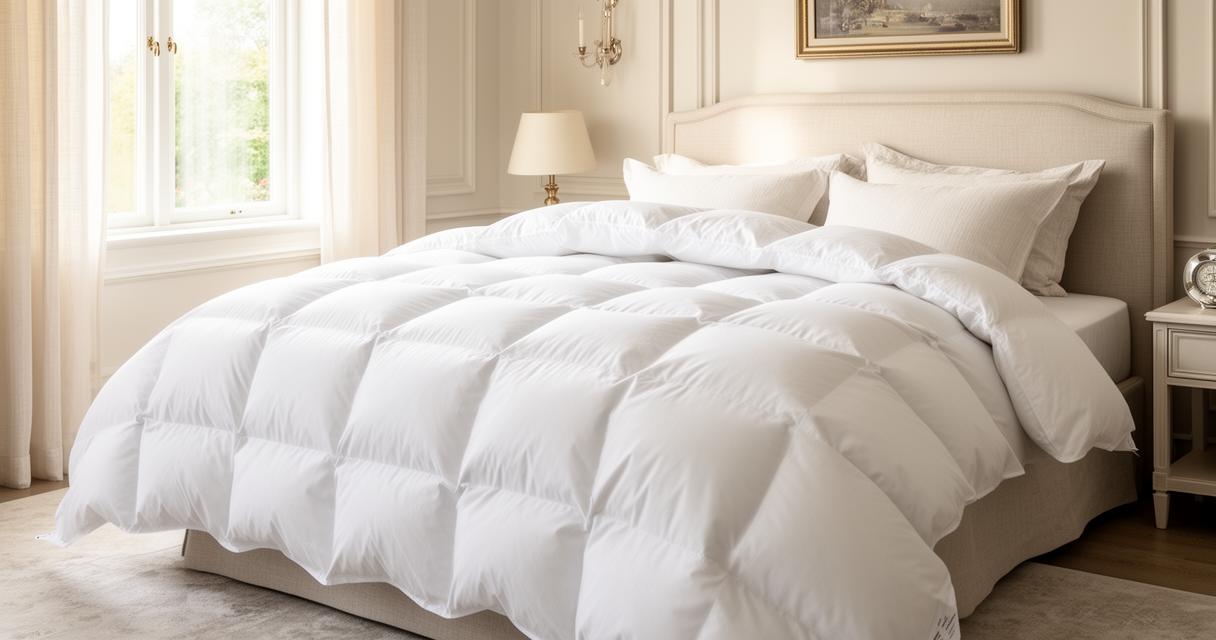
At the heart of every Dumas Paris duvet is a careful selection of the finest materials, ensuring that each product delivers an unparalleled sleep experience. The brand offers a diverse range of fillings, from sumptuous goose down and duck down to high-performance synthetic materials, catering to varying preferences and needs. Natural fillings sourced from controlled ducks and geese provide exceptional warmth and breathability, while the linen casings enhance the overall comfort with their soft, breathable texture. This meticulous attention to material quality ensures that whether you prefer the plush embrace of down or the hypoallergenic benefits of synthetic fillings, Dumas Paris has crafted a solution that aligns perfectly with your personal comfort requirements.
Heritage of Luxury: Drawing Inspiration from France's Finest Hotels and Restaurants
The connection between Dumas Paris and the world of high-end hospitality is both deep and enduring. The brand has long been associated with supplying luxury bedding to top hotel chains and exclusive suites, where the expectation for comfort and elegance is nothing short of extraordinary. This relationship with the hospitality industry has not only shaped the design philosophy of Dumas Paris but has also instilled a rigorous standard of quality that translates seamlessly into products designed for the home. By bringing the same materials and craftsmanship used in these prestigious settings into your bedroom, Dumas Paris offers an authentic taste of luxury that is both accessible and enduring, transforming everyday rest into an indulgent experience.
Creating a Complete Luxurious Bedding Solution for Your Home
Achieving the perfect sleep sanctuary involves more than just selecting a single piece of bedding. Dumas Paris understands that true comfort is built on a foundation of complementary elements, each carefully chosen to enhance the overall experience. From the base of your bed to the final touches that crown your sleeping space, every component plays a vital role in creating an environment that promotes relaxation and rejuvenation. The brand's comprehensive range of products ensures that every aspect of your bedding is addressed, allowing you to curate a personalised ensemble that reflects your unique taste and comfort preferences.
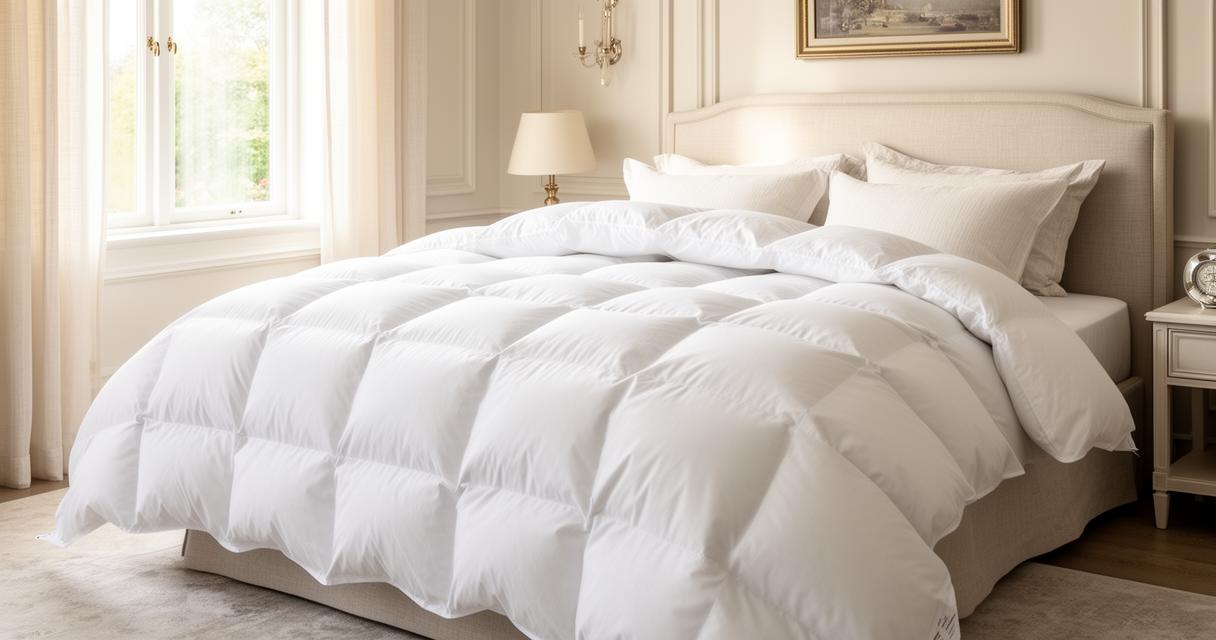
From Box Springs to King-Size Mattresses: Tailored Comfort and Style
Whether your bedroom features a classic box spring setup or a luxurious king-size mattress, Dumas Paris offers solutions that are as versatile as they are elegant. The brand's duvets are available in a variety of sizes, including dimensions such as 140×200, 200×200, 240×220, 260×240, and 280×260, ensuring a perfect fit for any bed configuration. Beyond size, the comfort levels are tailored to suit individual room temperatures and sleep styles, with options ranging from warm winter duvets to lighter summer alternatives. This thoughtful approach to design means that your bedding not only complements the physical dimensions of your space but also adapts to the seasonal changes and personal preferences that define your ideal sleep environment. Complementing the duvets are mattress toppers, available in feather, duvet, and synthetic options, which add an extra layer of plush comfort and are favoured by top hotel chains for their ability to transform even the firmest mattress into a cloud-like retreat.
Beyond Duvets: Pillows and Bolsters to Perfect Your Sleep Sanctuary
A truly luxurious bedding ensemble extends beyond the duvet to include pillows and bolsters that provide essential support and aesthetic harmony. Dumas Paris offers an extensive selection of pillows crafted from goose down, duck down, and synthetic materials, each available in varying comfort levels from soft to firm and in sizes such as 65×65 and 50×70. These pillows are designed not only to cradle your head with the perfect degree of support but also to enhance the visual appeal of your bed with their refined finish. For those seeking additional comfort, bolsters in duck down and synthetic options are available in various sizes, ranging from 90 to 200, offering a versatile accessory that can be used to support your posture or simply add a touch of elegance to your sleeping space. To further elevate the experience, Dumas Paris provides accessories such as pillow mists in different fragrances, allowing you to infuse your sleep environment with soothing scents that promote relaxation and tranquillity.
Responsible luxury: sustainability and design excellence
In an era where conscious consumerism is increasingly valued, Dumas Paris stands out for its commitment to sustainability without compromising on luxury. The brand recognises that true elegance lies not only in the beauty and comfort of its products but also in the responsibility with which they are made. This philosophy is woven into every aspect of the company's operations, from the sourcing of materials to the final touches of design, ensuring that each piece of bedding is as kind to the environment as it is indulgent to the senses.
Oeko-tex certified materials: a commitment to environmental responsibility
Dumas Paris maintains a steadfast commitment to sustainability through the use of Oeko-Tex certified materials, a standard that guarantees the absence of harmful substances and promotes environmentally friendly production processes. This certification is a testament to the brand's dedication to creating luxury goods that are not only safe for your home but also respectful of the planet. By choosing natural fillings from controlled sources and ensuring that all materials meet rigorous environmental standards, Dumas Paris offers a responsible choice for discerning customers who value both quality and ethics. This approach to manufacturing reflects a broader vision of luxury that encompasses not just comfort and style but also a deep respect for the natural world and the communities involved in the production process.
Inspired by French Regions: Light Colours from Provence to Burgundy
The design ethos of Dumas Paris is deeply rooted in the natural beauty and cultural richness of France's most celebrated regions. The brand draws inspiration from the light colours and serene landscapes of areas such as Provence and Burgundy, translating these influences into a palette that is both timeless and contemporary. The result is a collection of bedding that features soft, muted tones and elegant designs, allowing you to choose a duvet and accompanying pieces that seamlessly integrate with your personal aesthetic and the character of your home. This attention to design detail ensures that every product not only delivers exceptional comfort but also serves as a beautiful expression of French artistry and regional charm, making your bedroom a true reflection of refined taste and thoughtful curation.